What Cooking Techniques Create the Most Flavorful Grilled Burgers in Columbia, SC?
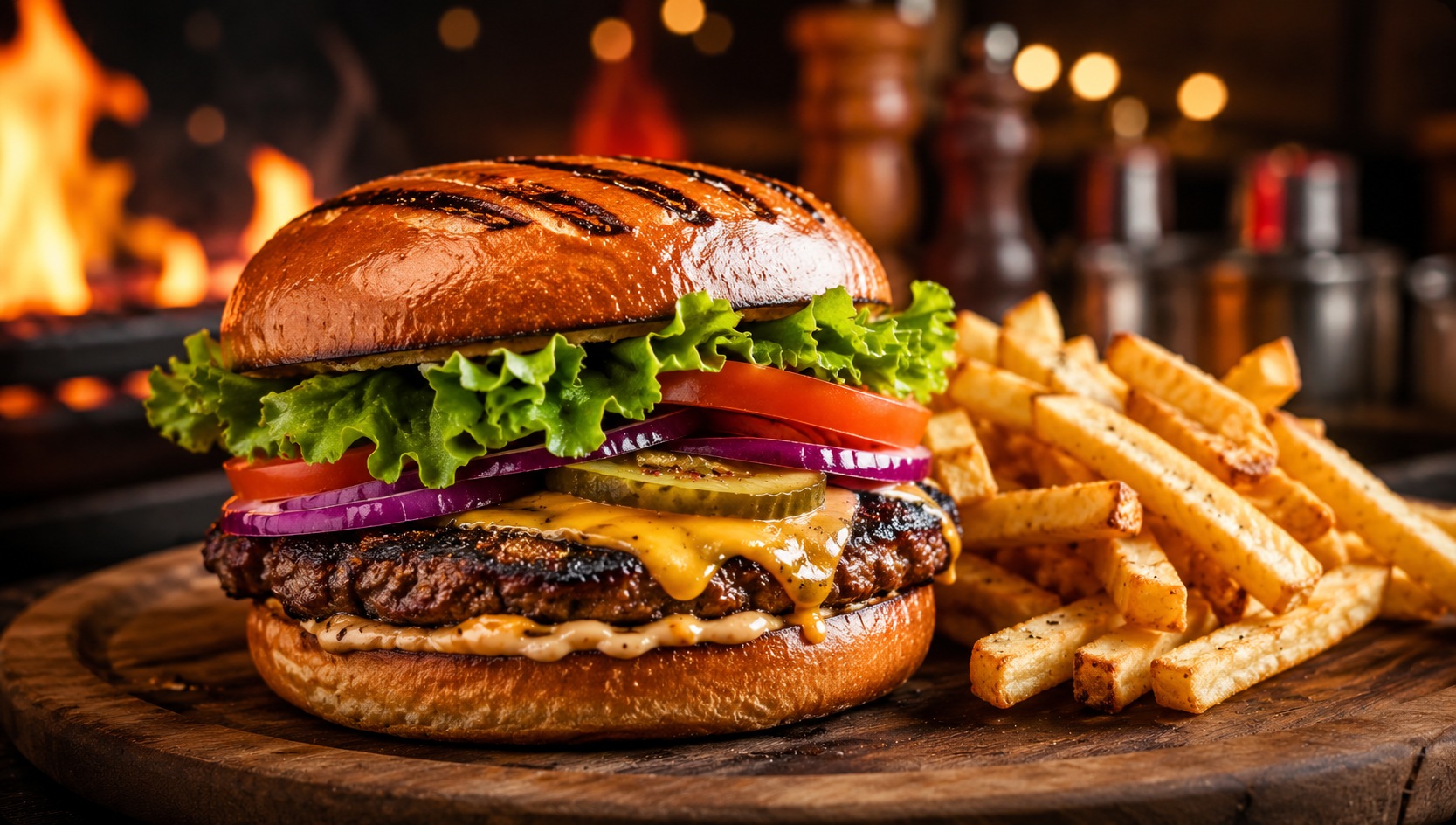
A truly great burger comes down to a few simple choices made at the right time. The meat, the heat, and the timing all work together. Get one of these wrong, and even good beef can turn dry or bland. We have spent years working with grilled burgers in Columbia, SC, and we know the small steps that make the biggest difference.
This guide breaks down the techniques that matter most. We will walk through meat selection, seasoning, grilling steps, and the mistakes that quietly ruin flavor.
Why Technique Matters More Than the Recipe?
Most people focus on toppings or sauce. But the real flavor comes from how the patty is handled before it ever hits the grill. Overworking the meat makes it tough. Pressing down while cooking pushes out the juices. These small habits matter more than any secret seasoning blend. Good technique also keeps the process consistent. Once you understand the basics, every burger turns out juicy, not just the lucky ones.
Choosing the Right Meat and Fat Ratio
Flavor starts with fat. Lean beef sounds healthier, but it often turns out dry on the grill. An 80/20 blend of beef to fat is the standard choice for most home cooks and restaurants. The fat melts during cooking and keeps the patty moist. Here is a quick breakdown of common blends:
The meat-to-fat ratio can significantly affect the texture and juiciness of the meat. A 90/10 ratio produces a leaner result, but it can dry out quickly. An 80/20 ratio offers a juicy and well-balanced result, making it a popular choice. A 70/30 ratio is very rich and is best suited for smaller patties.
For most backyard cooks, 80/20 hits the sweet spot between flavor and texture.
Step-by-Step: How to Grill a Juicy Burger?
Getting a great burger is not complicated once you break it into steps.
1. Form the patties gently. Handle the meat as little as possible. Overworking it creates a dense, chewy texture.
2. Make a small dimple in the center. Patties puff up as they cook. A dimple in the middle keeps them flat instead of round.
3. Season right before cooking. Salt draws out moisture if it sits too long. Add salt and pepper just before the patties hit the grill.
4. Preheat the grill fully. A hot grill sears the outside fast and locks in juices. Medium-high heat works well for most home grills.
5. Flip once, not repeatedly. Flipping too often dries out the meat. One flip, halfway through cooking, gives the best sear.
6. Let the burger rest. Resting for a couple of minutes lets the juices settle back into the meat instead of spilling out.
These steps sound simple, but skipping even one can change the final result.
Common Mistakes That Ruin Flavor
Small habits can quietly ruin a good burger. Watching for these mistakes makes a noticeable difference.
● Pressing the patty with a spatula: This squeezes out juices and dries the meat.
● Using cold beef straight from the fridge: Cold patties cook unevenly. Let the meat sit out for a few minutes first.
● Overcrowding the grill: Too many patties at once drops the grill temperature and slows cooking.
● Skipping the rest period: Cutting into a burger too soon lets all the juice run out.
Avoiding these habits keeps every patty juicy and full of flavor.
Safe Cooking Temperatures You Shouldn't Skip
Flavor matters, but safety comes first. Ground beef is different from a whole steak because bacteria can spread throughout the meat during grinding, not just on the surface. The USDA recommends cooking ground beef to an internal temperature of 160°F. This temperature destroys harmful bacteria like E. coli and Salmonella. A meat thermometer is the only reliable way to check, since color alone can be misleading.
Insert the thermometer into the thickest part of the patty for an accurate reading. This one step protects your family or guests without sacrificing much flavor, since a well-seared 160°F burger can still stay juicy with the right fat ratio.
Toppings and Bun Choices That Complete the Burger
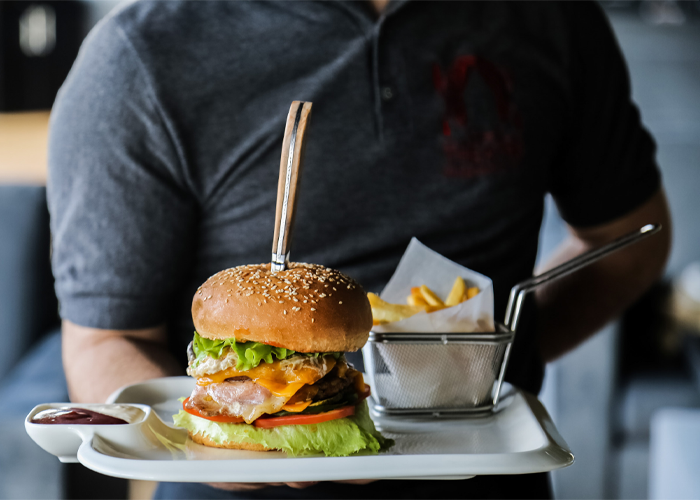
Great toppings should support the beef, not overpower it. A toasted bun holds up better and adds a light crunch. Simple classics like cheese, lettuce, and tomato often work best. Bold sauces or extra toppings can be fun, but too many flavors can hide the taste of the beef itself.
A grilled restaurant in Columbia, SC menu often keeps toppings simple for this exact reason. Balance matters more than variety.
FAQs
What is the best fat percentage for grilling burgers?
An 80/20 blend of beef to fat works best for most grillers. It keeps the patty juicy without becoming greasy or falling apart on the grill.
Should I season the meat before or after forming the patty?
Season right before grilling, not while mixing the meat. Salting too early pulls out moisture and can make the burger dense.
How long should burgers rest after grilling?
Let burgers rest for about three to five minutes. This allows the juices to settle, so they stay in the meat instead of spilling out.
Can I tell if a burger is done just by looking at it?
No, color can be misleading. Always use a meat thermometer and check that the internal temperature reaches 160°F for safety.
Why do my burgers fall apart on the grill?
This usually happens from overworking the meat or flipping too soon. Handle the patties gently and wait until they release naturally from the grates.
Craving a Burger Made the Right Way?
We put these same techniques to work every time we fire up the grill. At Pinz Grill, we believe good burgers come from patience, the right ratio of fat to meat, and knowing exactly when to pull them off the heat. If you are craving a burger made with real care, come see what fresh, grilled comfort food tastes like in Columbia, SC.